Many small business owners create a business plan because it is needed to obtain various forms of funding including loans and grants. However, you can create a business plan for your own purposes as well. That’s one of the things I’ve been doing behind the scenes this year. I carry my notebooks around with me, and I record the things I would like to accomplish with my skills. Recently, I wrote about thinking big when you brainstorm because it’s important to unleash your imagination as if you had all the money, talent, and time you need to accomplish what you want.
I created my “think big” brainstorming list, and then I used it to start crafting an action plan. I wrote down all the steps to get myself in a sweet spot for moving my writing career forward. After all, we can write all we want, but we need actionable steps that will show our writing to the interested audience. Once we get our writing in front of the group of readers who appreciate our content and style, we need to decide how to grow our writing in ways that fit our lifestyle, time, and budget.
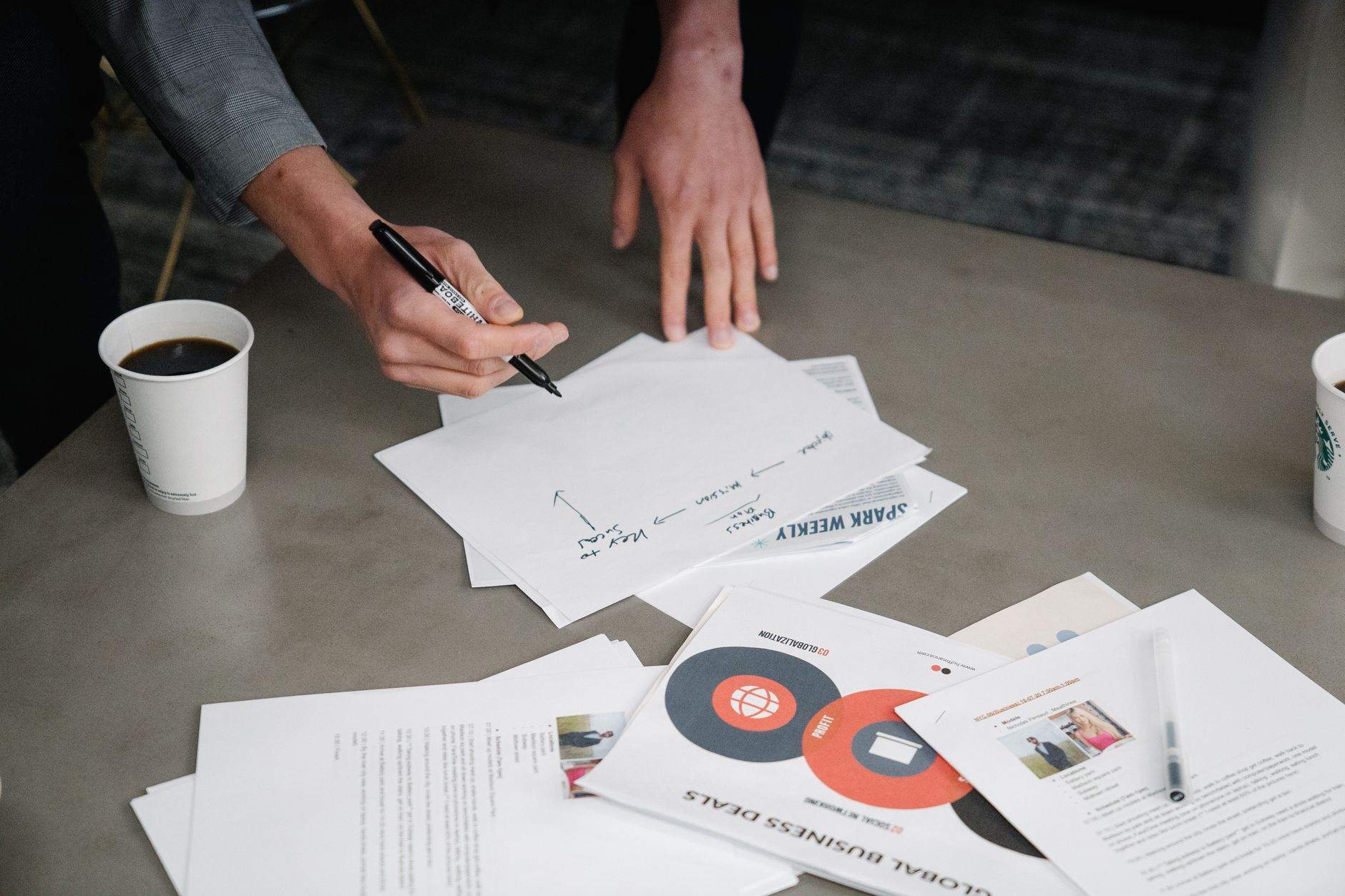
This will look different for everyone. You may prefer digital while I prefer print. You may prefer paragraphs while I prefer a checklist. Whatever makes for a plan you can use is what matters. How you do it should be according to your preferences. Just be sure that you are acting on the plan and not just writing it out. Set big goals but make the steps easy to accomplish so you can check each thing off as you go to know where you are in accomplishing the final goal. I don’t know about you, but I feel good when I look at a list with items checked off because I’ve completed the steps.
One basic thing I needed to do was establish a new email account to handle my business content. While I had created one email for this purpose, I decided I didn’t like that email name after all because I changed my mind about branding. I had to create a new one, and then I began to transfer various login accounts over to my new email. Yesterday, I was working on some of my steps, and I ran into an issue.
While I have an experimental YouTube channel, I don’t have a lot of content on it. I have a few things I want to use in the future, but the rest of it will probably be deleted. Prior to this, the steps I had taken were basic, but now I had to decide how to transfer content from one YouTube channel to another. If you are a bigger channel, there are ways to handle transferring content from one channel to another, but I only have about four videos I want to transfer. For me, it will be easier to just remove them from one channel and upload them to a new channel without more complex steps. Having my steps written down helped me account for this change in my plans. I updated all the other accounts and decided to leave the uploads for another day when I had more time. Since each account was a separate step on my list, I still accomplished something yesterday, and it felt good to record that on the checklist.
Sitting on the table at my elbow is a portfolio book with empty sleeves. In the next couple of hours, I will type up the first steps in my business plan from my handwritten notes and insert them into the notebook. My business plan will officially be on its way. It will include all kinds of notes and ideas, and it will evolve as I move forward. It’s important to leave room to change instead of thinking there is only one course to take. A business plan for creatives needs to be adaptable as our career paths progress.
I’m not creating a hard and fast business plan, so I’m not using a professional-style plan. If you want an example of what a professional business plan should look like, I recommend looking at the Small Business Association website and for resources in your own state. Here are some resources that might help you:
- Small Business Association: The SBA is the department that assists individuals in establishing small businesses, and this guide has all kinds of tips in planning a business. Under the “Write Your Business Plan” portion, you can download a couple of different types of business plans to read and use as a guide to create your own.
- Localized Small Business Assistance: The SBA also provides access to multiple types of small business assistance in your area. You can narrow it down by state to see what is available. For example, Tennessee has several on demand online and in person workshops available and the ability to set up free consultations.
- SCORE: This is a non-profit organization, and they provide access to small business resources and mentors in case you need or want more hands-on advice. Click here to access the page that will provide a business plan template.
- If you prefer reading books, you can also look at NOLO’s The Small Business Start-Up Kit book in print or digital. It contains a chapter on writing an effective business plan and much more.
Just begin by writing down your ideas. Don’t make it more complicated than you need to. Keep it simple in the beginning so you’ll be less likely to give up. Just looking at all of this at one time has made me nervous, so I’ll probably put the research on the back burner for a few days and just write out the initial brainstorming ideas. I can finalize the more serious aspects as I go.
Today, just get started!
~ ~ ~ ~ ~ ~ ~ ~ ~ ~ ~ ~ ~ ~ ~ ~ ~ ~ ~ ~ ~ ~ ~ ~ ~
Inspirational Verse for the Day:
She sees that her profits are good, and her lamp never goes out at night. […] Strength and honor are her clothing, and she can laugh at the time to come. She opens her mouth with wisdom and loving instruction is on her tongue. (Proverbs 31: 18, 25-26, CSB)

