Last week, I sat down and began to put my business plan onto paper taking it out of the vagueness of my mind into the cold reality of the written word on the page. I don’t even have a complete business plan yet, but my creativity is now in overdrive. Just putting the initial ideas onto the written page helped me solidify concepts. I know what I’m interested in doing in the future, and I quickly identified what I wasn’t interested in because it didn’t make the cut in my written plan.
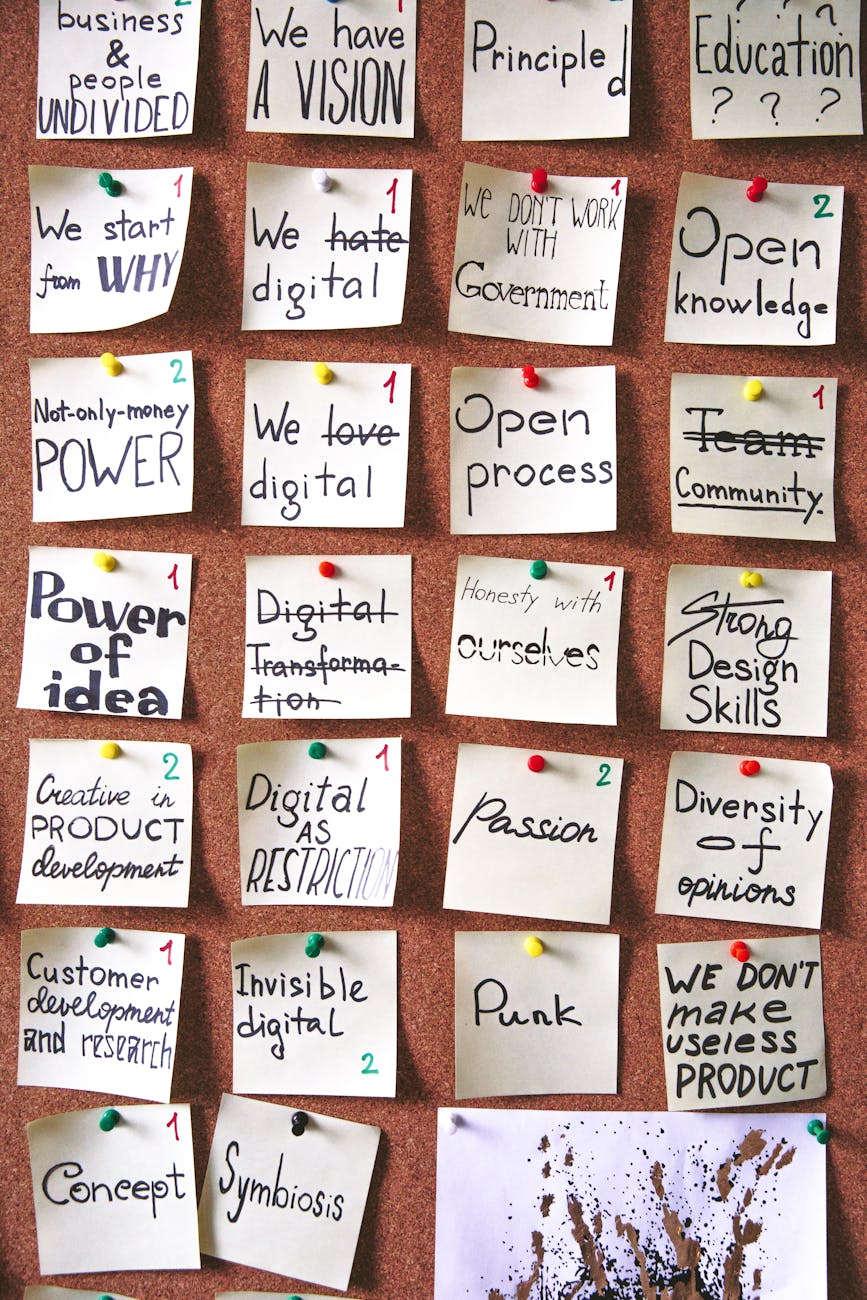
Don’t make the first steps complicated. I just grabbed several sheets of cardstock paper and a marker, and I titled each one with an idea I want to incorporate in my writing business. If I already had ideas to further develop the concept, I included those on the page, but if I didn’t really have more, I just wrote the title on the page and added it to the stack. This step was not about planning everything. It was just about getting the ideas from my brain to the page. I even added another idea the next day after thinking overnight about the ideas I wrote down. Think of it as your rudimentary business map.
While I’m still working on the first draft of a written business plan, I understand why people need to create one. Aside from the need for a business plan for obtaining grants or loans if you need them, business plans help us figure out what we really want or need to do for our businesses to be successful. This step fired up my creativity and productivity. I began to organize my writing ideas into a more cohesive system so I could find my stories when I wanted to work on them. I’m even decluttering my space again so I can keep my writing more organized.
Maybe you aren’t ready to commit to a completed business plan, but don’t overlook the fact that the first draft of a plan will help you focus on what you truly want to include in your small business. If you’re ready to create a business plan, read up on one using a good small business book. I have a few I use for guidance, but I would say NOLO’s The Small Business Start-Up Kit by Peri H. Pakroo, J.D. will be the most helpful when it is time for developing your official written plan. If you just want a flyover view of a business plan, I use two older titles I just have hanging around on my bookshelves, and I like them because they don’t overwhelm me with information. The Complete Idiot’s Guide to Making Money with Your Hobby by Barbara Arena and The Complete Idiot’s Guide to Starting Your Own Business by Edward Paulson give simplified business plan guides without drowning you in information. These two are older titles, but the information about creating a business plan is basic enough for a crash course.
Also, don’t forget to access free resources from the U.S. Small Business Administration and the small business administration in your own state. Both sources will offer sample business plans, learning materials, and often small business learning platforms. If you know a small business owner, reach out to them and ask them if they have time to answer some questions. Keep in mind that they are giving you some of their valuable time so don’t waste it. Be sure to show appreciation for their time.
Just remember not to let the business plan process overwhelm you. Think of it as the next part of the trip on your small business journey. Enjoy it. Learn from it. When you are done, move on to the next step. Find creativity and productivity in the planning process. Keep writing down those ideas because a random idea just might take you where you least expect.
~ ~ ~ ~ ~ ~ ~ ~ ~ ~ ~ ~ ~ ~ ~ ~ ~ ~ ~ ~ ~ ~ ~ ~ ~
Inspirational Verse for the Day:
Plans fail when there is no counsel, but with many advisers they succeed. (Proverbs 15:22, CSB)
 All Things Subject to Change